


Article: Glass, Ceramic or Stainless Steel Pet Bowls: Which Should You Choose?
Glass, Ceramic or Stainless Steel Pet Bowls: Which Should You Choose?
A clear glass bowl can look lovely beside the kitchen cabinets. A heavy ceramic dish might suit the corner just as well. Stainless steel usually looks more utilitarian, but it has practical advantages worth considering before you buy.
For dogs and cats, choosing a bowl starts with everyday questions: Can your pet reach the contents comfortably? Will the bowl stay put? Can you clean it as often as it needs? Stainless steel is a useful starting point when durability matters most. Glass and ceramic can also work, provided the bowl suits your pet and you can manage the risk of chips or breakage.
Glass bowls and everyday care
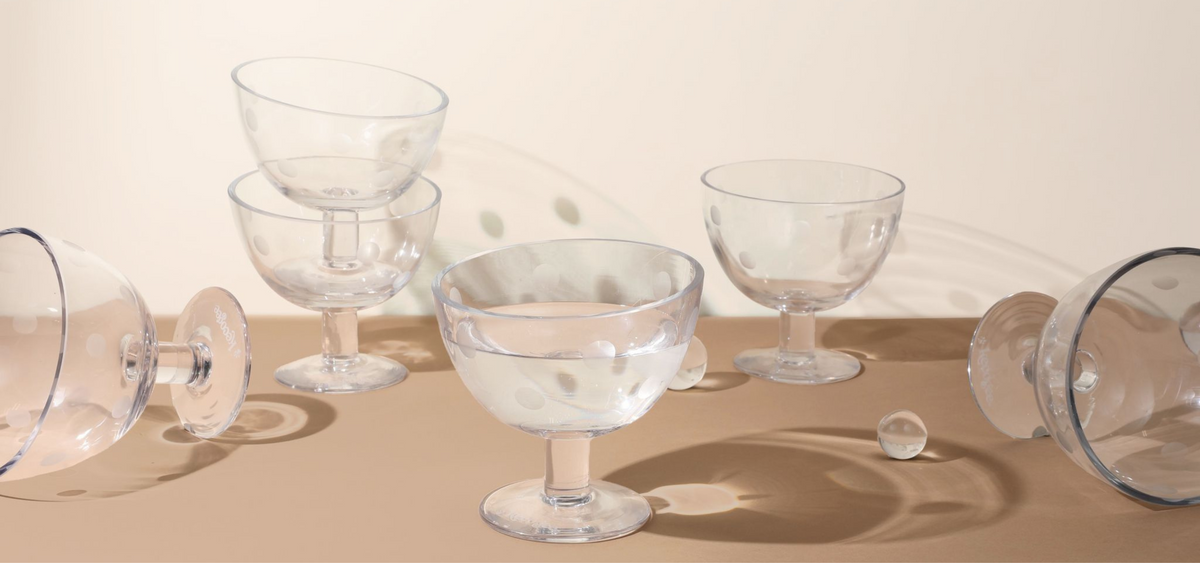
Glass has a simple visual appeal, especially in a feeding area that shares space with the rest of your home. Its nonporous surface is easy to clean, and clear glass makes leftover food and visible dirt easier to notice. That transparency is helpful, but a bowl that looks clean still needs washing.
The trade-off is breakage. Glass can chip or crack, so it is a less forgiving choice for a pet who bites, carries or knocks bowls around. Watch how your pet uses a new bowl, and replace it if you find damage. Place it on a stable surface away from foot traffic, doors and places where it could be knocked off an edge.
Keep glass water bowls out of direct sunlight, too. Cornell's veterinary guidance describes a fire caused by a glass water bowl focusing sunlight onto a wooden deck. For a sunny outdoor drinking spot, choose an opaque alternative such as stainless steel or ceramic.
Ceramic bowls and food safe finishes
Ceramic offers plenty of choice in color and shape. A heavier bowl may be harder to move, although weight alone does not guarantee that it will stay in place. It can be an appealing option if you want the feeding area to feel like part of your home.
Choose ceramic made for food use from a reliable manufacturer, rather than repurposing an ornamental dish. The FDA warns that some pottery can release lead into food and that washing cannot remove lead from the pottery itself. This is a reason to check the product, not to dismiss all ceramic bowls.
Inspect the rim and interior when washing. Retire a chipped or cracked bowl, and follow its own care instructions rather than assuming every glazed dish belongs in the dishwasher.
Stainless steel bowls and durability
Stainless steel is worth considering when durability and straightforward cleaning are priorities. Check the base as well as the material: does the bowl sit securely, and can you clean beneath any removable ring or stand?
Steel still deserves inspection. A determined chewer can dent or puncture a bowl, and some pets dislike its sound or appearance. Notice whether your pet uses it comfortably. If you want dishwasher cleaning, check that the particular bowl and any attached parts are labeled for it.
Fit the bowl to the pet
Before ordering, check the inside width, depth, height and capacity. A photograph beside a small dog does not tell you whether the same bowl will work for your dog or cat. Compare the measurements with a bowl your pet already uses comfortably, and leave enough room around the feeding area for easy access.
For cats, a wider water bowl is a useful option to try. Cats Protection also recommends separating water from food and litter trays, and offering water in more than one location. Preferences vary, so observe what your cat actually uses rather than treating one shape or material as essential for every cat.
Bowl height is a separate decision from material. Raised bowls are not automatically healthier. Cornell identifies raised food bowls as one of several possible risk factors for gastric dilatation-volvulus, or GDV, and advises avoiding them in its prevention guidance. Ask your veterinarian about a suitable feeding setup, particularly for a large, deep-chested dog or a pet with a medical condition.
Choose a cleaning routine you can keep
An attractive bowl earns its place by being practical to use and wash. Before buying, read the care instructions for the bowl, base and mat separately. A washable bowl does not necessarily make the entire set dishwasher-safe.
For a straightforward routine, wash food bowls after each use, as the FDA recommends, and clean water bowls daily, in line with the CDC's example schedule. Clean more often whenever a bowl is dirty.
For hand-washable bowls, use soap or detergent and water at a temperature compatible with the manufacturer's instructions. Scrub, rinse thoroughly and dry with a clean towel or allow to air-dry. Use the dishwasher only when the item is labeled dishwasher-safe.
Check the mat and the floor underneath as well. A spare bowl can make the routine easier: one stays available while the other is being cleaned.
Where our glass bowl set fits
Our Glass Dog Bowl Set is an option for dog owners who enjoy the look of glass and have a suitable feeding setup. It includes two raised, hand-blown glass bowls and a mat, with hand-etched dots and a wide-base design. Because the bowls are hand-blown, small differences between them are part of the product.
Each bowl holds approximately 2 cups at a normal serving level, below the rim.
The glass bowls are hand-wash only. Spot-clean the mat with a clean, damp cloth. If dishwasher convenience, rough handling or travel is the priority, another bowl may suit your routine better. The set is sold for dogs; the general advice about cat bowls above is not a claim that this particular design fits every cat.
A simple way to decide
Start with stainless steel if impact resistance is your main concern. Consider ceramic if you prefer a heavier dish and can choose a food-use bowl from a reliable maker. Consider glass if you like a clear design, can position it safely and are comfortable with its care requirements.
Whichever you choose, check the dimensions, watch your pet use it and make washing part of the routine. Aim for a bowl that fits your pet, stays in good condition and is washed regularly, rather than one material to call the best.
For the rest of the room, our guides to a comfortable space for your dog and a resting space for your cat explore how to arrange comfortable resting areas without crowding every essential into one corner.
Sources
Shannon Nowak, BS, LVT, RVT. Counseling Clients on Food Bowl Selection. Today's Veterinary Nurse, March 11, 2022. Material properties, damage and individual suitability.
Brian Collins, DVM. Fire Safety for Pets. Cornell Riney Canine Health Center, July 8, 2025. Glass water bowls and focused sunlight.
FDA. Questions and Answers on Lead-Glazed Traditional Pottery. Food-use labeling, reliable manufacture and lead limitations.
Cats Protection. Cats and Drinking. Bowl width and water placement; Indoor and Outdoor Cats, Feeding and drinking section, for individual preferences.
Cornell University College of Veterinary Medicine. Gastric Dilatation Volvulus or Bloat, updated April 2025. Risk factors and feeding-height cautions.
FDA. Tips for Safe Handling of Pet Food and Treats. Cleaning food bowls after use.
CDC. About Cleaning and Disinfecting Pet Supplies, February 18, 2026. Cleaning frequency, hand washing, dishwasher labeling and manufacturer instructions.
Kecogee. Glass Dog Bowl Set. Product contents, design and care instructions checked October 25, 2026.
Humane World for Animals. How to Clean Pet Food and Water Bowls Properly, September 4, 2026. Veterinary advice from Barbara Hodges on nonporous materials and regular cleaning.
RSPCA. Guidelines for the Design and Management of Animal Shelters, page 15, Cleaning of feeding utensils. Stainless steel strength and ease of cleaning.
Virginia Beach SPCA. Lurking Bacteria and Water and Food Safety, June 21, 2022. Inspect glass and ceramic for chips and cracks and select food-use finishes.


Leave a comment
This site is protected by hCaptcha and the hCaptcha Privacy Policy and Terms of Service apply.